Telegram scams are rapidly evolving: fraudsters use bots, phishing, drainers, and fake services to steal accounts and cryptocurrency from users.
This article подробно examines five актуальных Telegram scam schemes for 2026, as well as ways to protect against them.
Scheme 1 — Telegram Account Hacking in Two Clicks
A Telegram account can be compromised in just a few user actions. It is enough to interact with a malicious bot that, after pressing the “Start” button, requests an authorization code — the key to the account.
The peculiarity of this scheme is that the user may not even enter their phone number. Despite this, the authorization code is still sent, which raises questions about how the attack works.
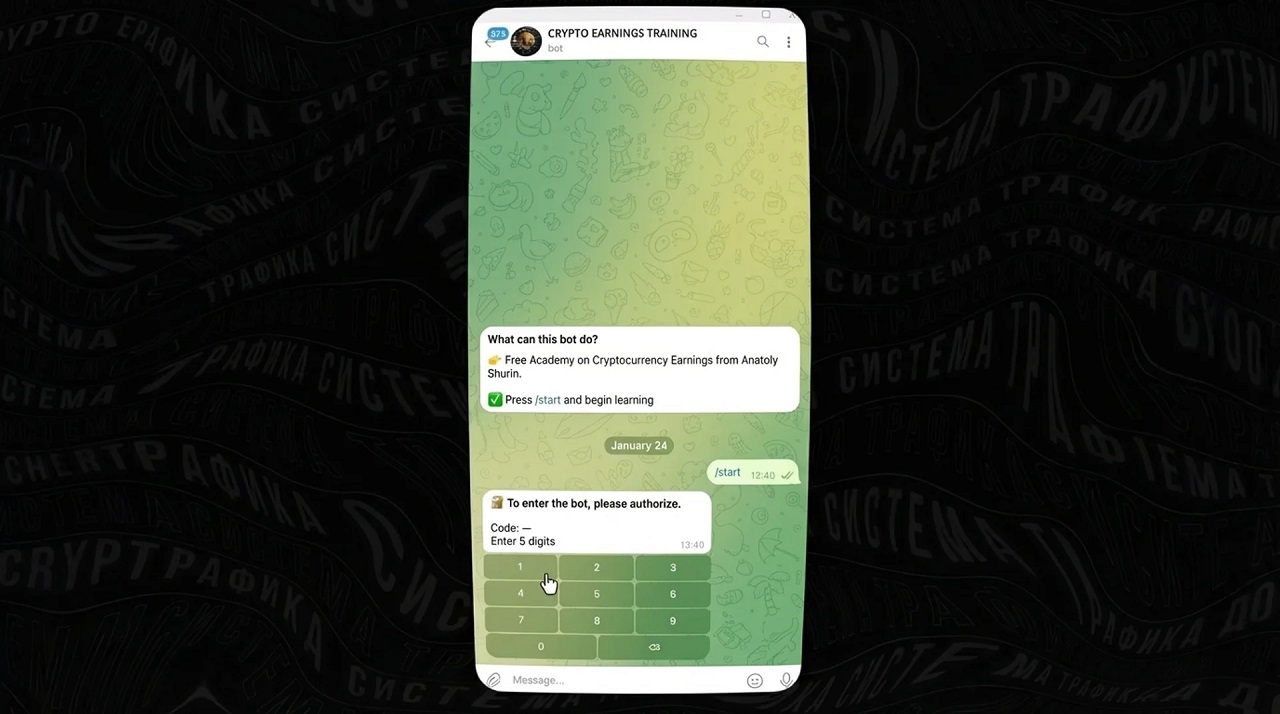
To understand this scheme, it is necessary to examine how classic phishing works in Telegram.
How Classic Telegram Phishing Works
Phishing is the creation of a fake resource where a user enters their data. In the context of Telegram, this includes a phone number and an authorization code.
After entering the data, a session file is generated on the attacker’s side, granting full access to the account. Phishing remains one of the most common types of Telegram fraud.
Combination of Phishing and Data Leaks
In some cases, a phone number can be obtained without direct input from the user. This is achieved through leaked databases and services that aggregate user data.
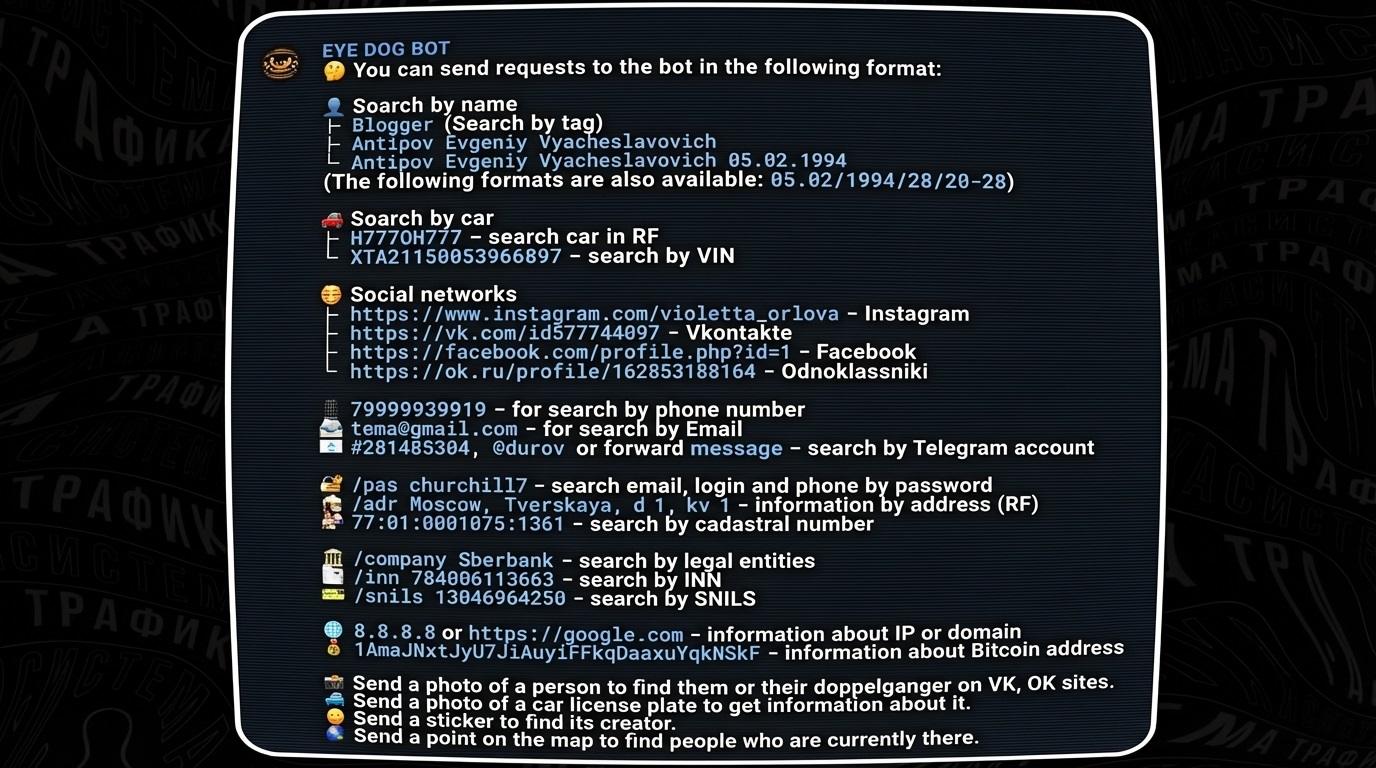
When interacting with the bot, an automatic request is made using the Telegram ID. If the data exists in a database, the service retrieves the phone number and initiates sending the authorization code.
Goals of Telegram Account Hacking
The main goals of attackers include mass resale of accounts on specialized marketplaces, where the number of such accounts can reach millions.
Another common scheme involves sending messages to the victim’s contacts asking to borrow money, which is a classic Telegram scam tactic.
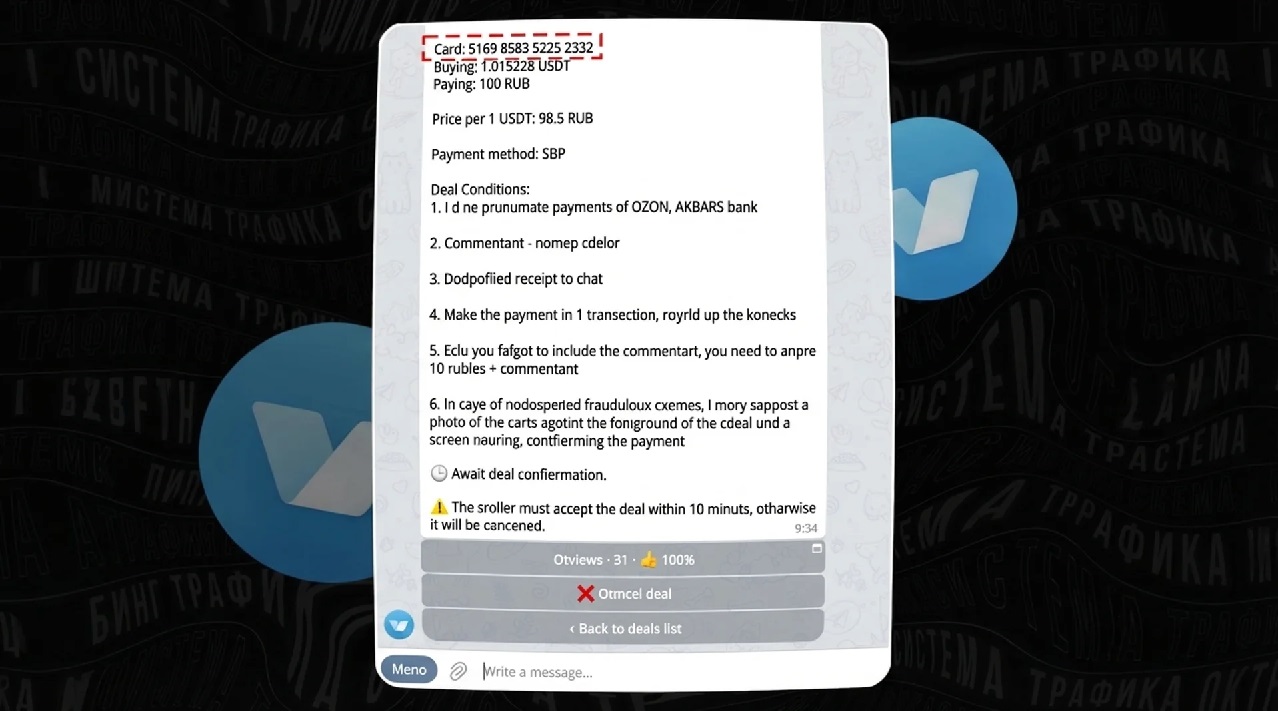
Additionally, attackers search for crypto wallets within accounts and automatically withdraw funds.
Scheme 2 — Cryptocurrency Theft via Username Purchase
Users may receive offers to buy their username for a large amount of cryptocurrency. At the same time, an illusion is created that the deal is conducted through an official service.
Despite the absence of direct payment requests, this scheme is a form of Telegram scam.
How a Drainer Works
The key element of the scheme is connecting a crypto wallet. The user interacts with a fake interface that visually appears identical to the original.
At the moment of connection, a malicious smart contract — a drainer — is signed, which gains access to the funds and withdraws them.
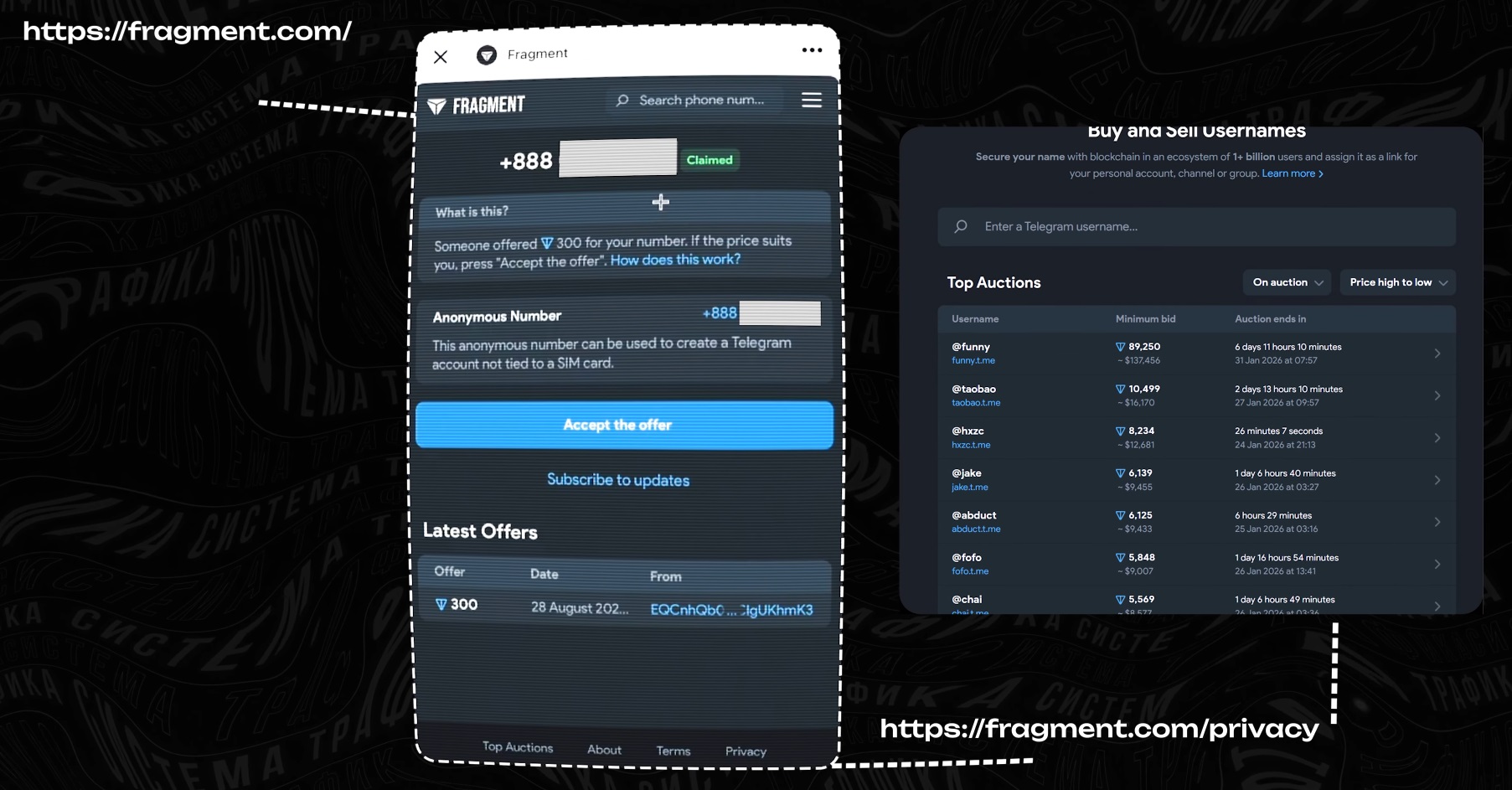
The scheme relies on scale: among millions of users, there are always those with significant funds in their wallets.
Such schemes are distributed through various channels, including fake websites and services.
Scheme 3 — Crypto Wallet Address Substitution
This scheme is implemented through malicious browser extensions, which are also distributed via Telegram channels.
Users are offered to install a market analysis tool, for example for TradingView, with additional “unique” features.
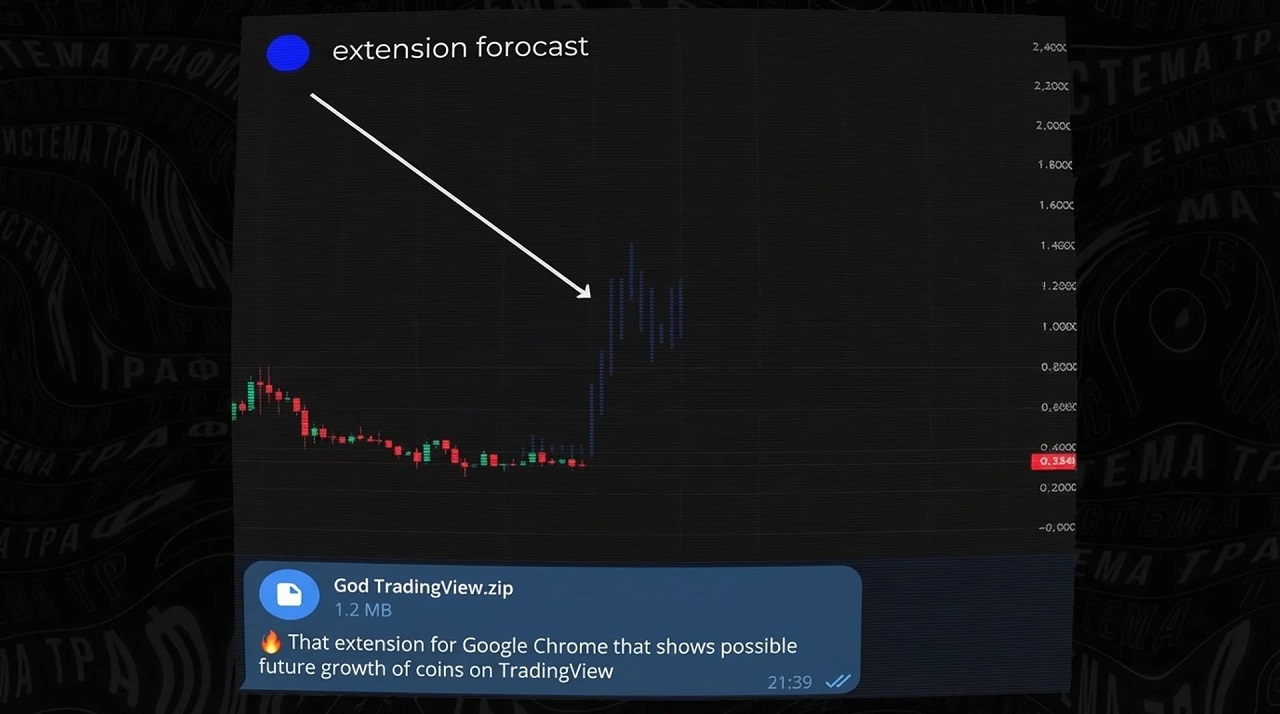
After installation, the extension may function correctly for some time, reducing suspicion.
However, when copying a wallet address, it gets replaced, and when making a transaction, the user unknowingly sends funds to the attacker.
Scheme 4 — Fake Support in Telegram
When users encounter issues during transactions, they may try to find support directly in Telegram.
Instead of official representatives, they often end up contacting scammers posing as support agents.
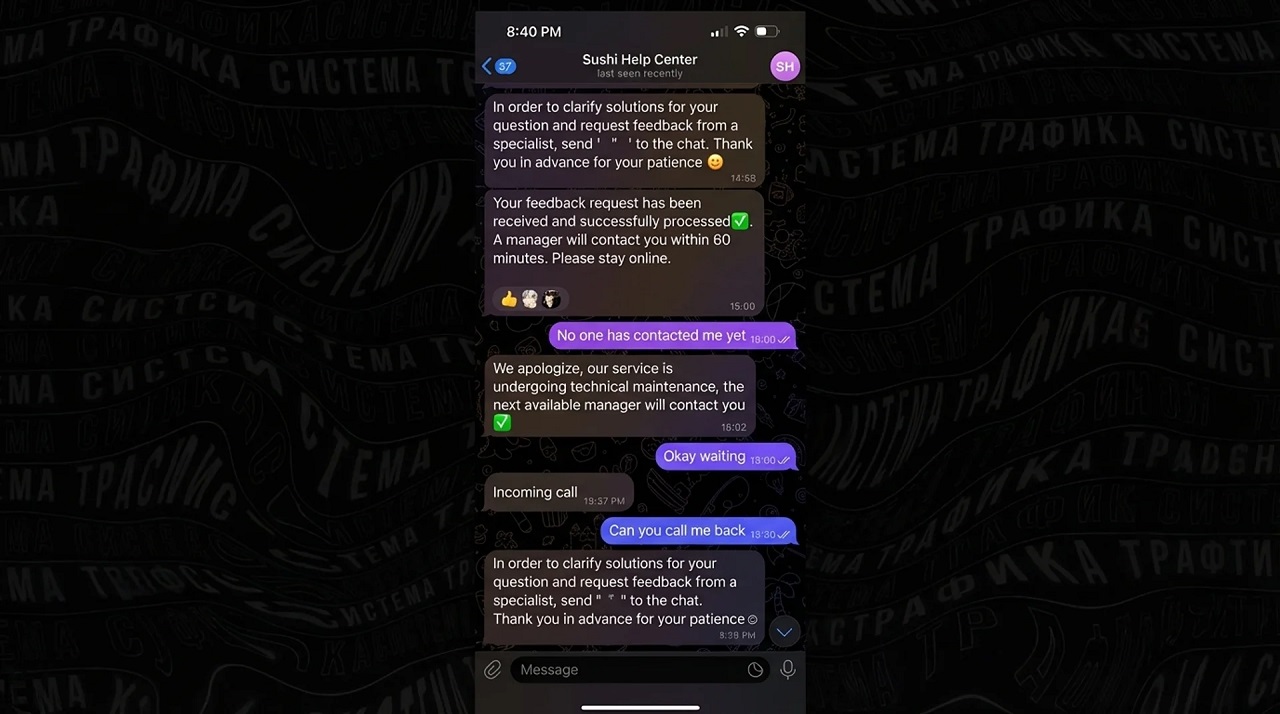
Scammers offer to “resolve the issue” for an additional fee, after which the funds are not returned.
Why This Scheme Works
Creating fake Telegram accounts is not difficult. Many services have dozens of cloned support accounts.
If a user does not follow a link from the official website and instead uses Telegram search, the risk of encountering a scam increases significantly.
In some cases, official Telegram support may not exist at all.
Scheme 5 — Unofficial Telegram Clients
Using third-party Telegram clients is associated with additional security risks.
Such applications may offer extended functionality, such as managing multiple accounts.
How Data Theft Occurs
When logging into an unofficial client, a session file is created, which can be accessed by third parties.
This allows attackers to gain access to accounts, channels, and related data, including crypto wallets.
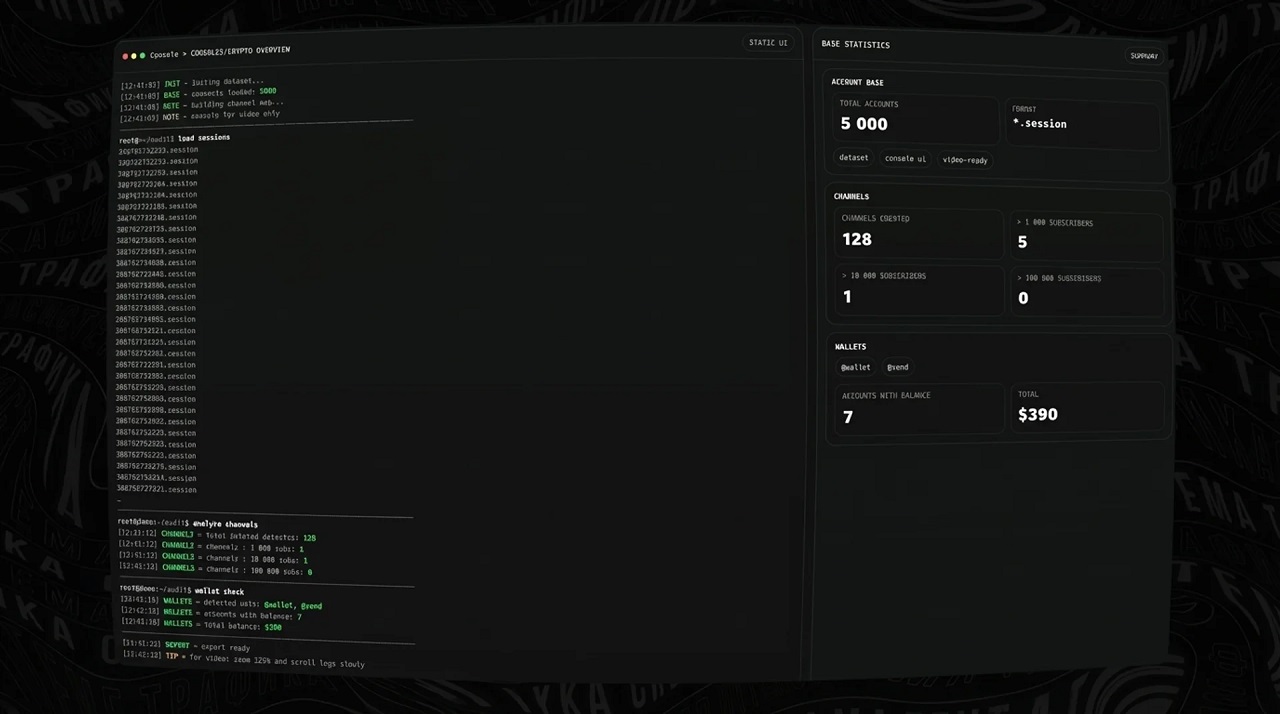
The user may not even notice that the account has been compromised.
Why Two-Factor Authentication Is Ineffective
Even with two-factor authentication enabled, access can be intercepted via the session.
This makes the use of unofficial clients one of the most dangerous risk factors.
Legal Earnings in Telegram vs Scams
Despite the prevalence of scams, most cybercriminals do not achieve high incomes and operate under constant risk.
At the same time, building your own Telegram channels can generate comparable income with significantly lower risks.
Conclusion
Telegram scams continue to evolve, becoming increasingly sophisticated and harder to detect.
Understanding the main scam schemes is a key factor in protecting accounts and financial assets.
The most common ones include phishing, drainers, wallet substitution, fake support, and unofficial clients.